


Rotary Drum Screen Filter: Industrial Selection Guide
Solids that never get screened out early end up as extra load on every treatment stage downstream. A rotary drum screen filter catches that material before it becomes someone else's problem, running a continuously rotating mesh drum that separates solids from liquid while the machine cleans itself in the same motion.
What Is a Rotary Drum Screen Filter
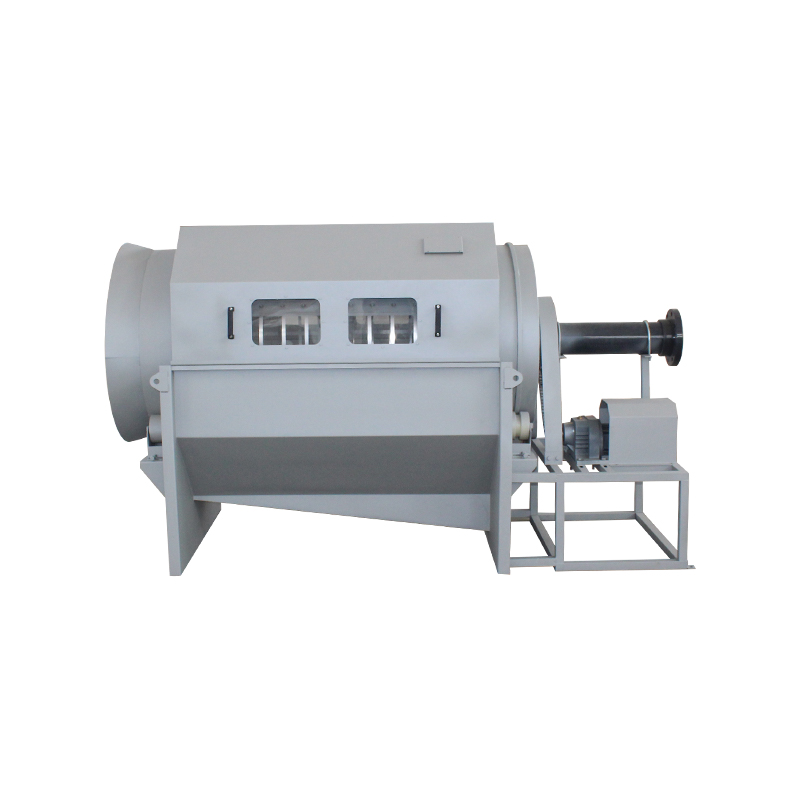
A rotary drum screen filter is a mechanical filtration device built around a rotating cylindrical screen. Wastewater enters the drum, liquid passes through the mesh openings, and solids remain on the screen surface as the drum rotates them upward and out, where a spray cleaning system washes them into a separate collection channel. The rotation itself is what keeps the screen from clogging the way a static screen eventually does.
Wastewater enters the drum
Liquid passes through the mesh
Solids remain on the screen
Spray wash releases solids
Waste exits to collection
Rotary Drum Screen vs Traditional Screen Filter
| Feature | Rotary Drum Screen | Traditional Screen Filter |
| Filtration Method | Continuous rotating screen | Static or manual screening |
| Operation | Automatic and continuous | Requires frequent cleaning |
| Maintenance | Lower requirement | Higher manual upkeep |
| Energy Use | Low power draw | Depends on cleaning cycle |
A screen that clogs between cleanings isn't filtering, it's blocking. Continuous rotation is what turns a screen into a self-maintaining process rather than a maintenance task.
How to Choose the Right Rotary Drum Screen Filter
Where Rotary Drum Screen Filters Are Used
- Municipal wastewater treatment: pretreatment screening ahead of biological treatment stages.
- Food and beverage processing: removing organic solids from meat, dairy, and beverage wastewater.
- Aquaculture systems: filtering fish waste and particles in recirculating aquaculture setups.
- Paper and pulp mills: recovering fiber and reducing solids in process wastewater.
Frequently Asked Questions
What mesh size is typical for a rotary drum screen filter?
Mesh openings vary widely by application, and should be selected based on the target particle size for the specific wastewater stream being treated.
Does the drum need to stop rotating for cleaning?
No. Spray cleaning happens continuously as the drum rotates, which is what allows uninterrupted operation without a separate cleaning cycle.
Is a rotary drum screen filter suitable for aquaculture systems?
Yes, it is commonly used in recirculating aquaculture systems to remove fish waste and suspended particles from circulating water.
What should buyers verify before purchasing?
Buyers should confirm flow capacity, mesh opening size, drum material grade, and request filtration efficiency data on comparable wastewater.
 |
আসুন Yixing Hengye পরিবেশগত সুরক্ষার সাথে সহযোগিতা করি
Contact Us- পণ্য বিভাগ
- স্লাজ ডিওয়াটারিং মেশিন
- রোলার ফিল্টার
- দ্রবীভূত এয়ার ফ্লোটেশন মেশিন (DAF)
- রোটারি মেকানিক্যাল বার
- ডোজিং ডিভাইস
- এয়ারেটর
- জৈবিক প্যাকিং উপাদান
- অন্যান্য বর্জ্য জল চিকিত্সা সরঞ্জাম
- আমাদের সাথে যোগাযোগ করুন
-
-
[email protected]

[email protected] -
+86-13812201185

-
+86-13812201185

-
নং 20, সাইতে রোড, গাওয়াও গ্রাম, গাওচেং টাউন, ইক্সিং সিটি, উক্সি সিটি, জিয়াংসু প্রদেশ, চীন

-



